FDA investigated adverse events linked to glutathione material with potentially excessive endotoxin in compounded sterile preparations. The example illustrates why chemical purity and microbiological quality are different categories of evidence.
A glutathione measurement can depend on oxidation state and sample handling. A result described as total glutathione may answer a different question from one that distinguishes reduced and oxidized forms.
NAD+ is a cofactor rather than a peptide. Its inclusion in a peptide catalog is a merchandising choice, not a chemical classification, and sequence-based quality assumptions are not appropriate substitutes for its identity testing.
A screening observation involving Pinealon is a starting point for a reproducible research question, not a complete mechanism. Model selection and endpoint specificity define what can be concluded from the result.
Thymalin, Vilon and thymosin-alpha-1 should not be treated as interchangeable thymic materials. An extract and a defined synthetic peptide raise different composition questions, and related names do not establish equivalent preparations.
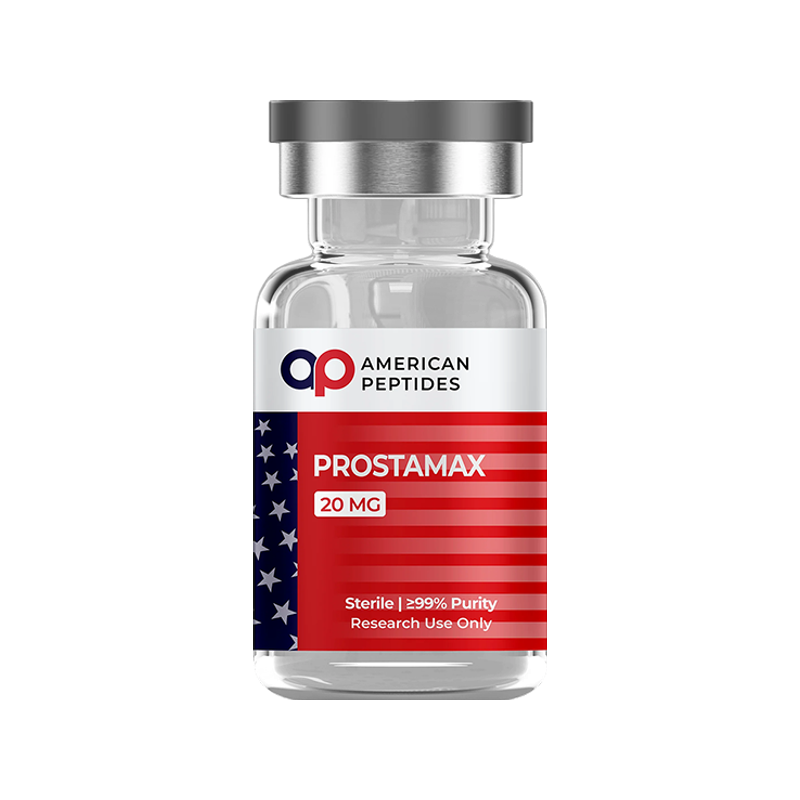
Prostamax, Testagen and Vesugen names can invite organ-associated interpretations. A name is not evidence that a material acts only on a named organ, tissue or cell population.
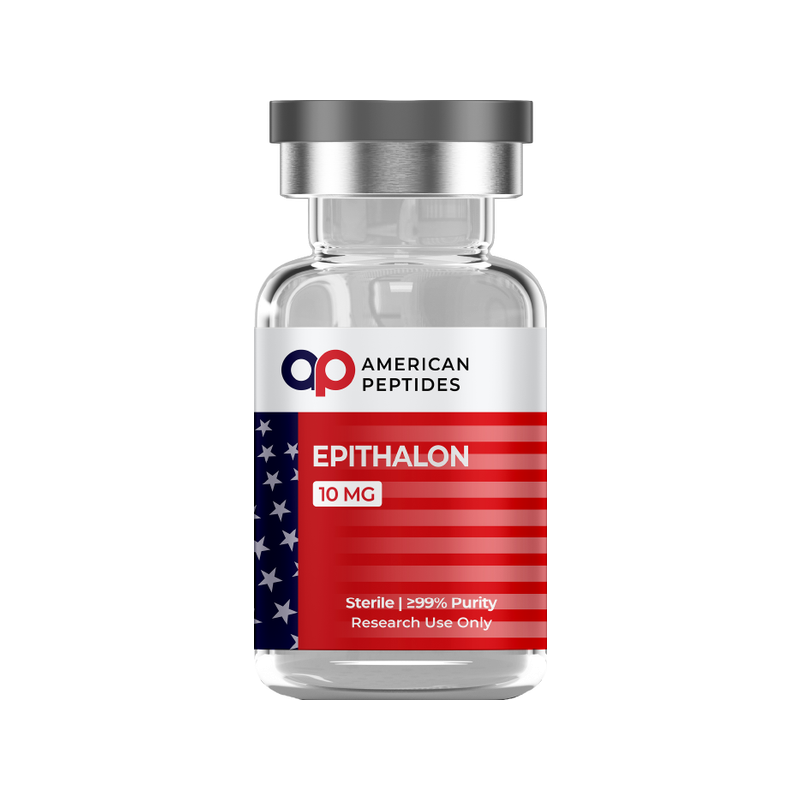
The catalog uses EPI for an Epithalon listing. An abbreviation, however, does not replace explicit sequence and chemical identity records, especially when related names appear in the literature.
A SNAP-8 listing should not inherit every claim made about a similarly named cosmetic ingredient. Sequence, formulation and model conditions are essential to deciding whether a paper addresses the supplied material.
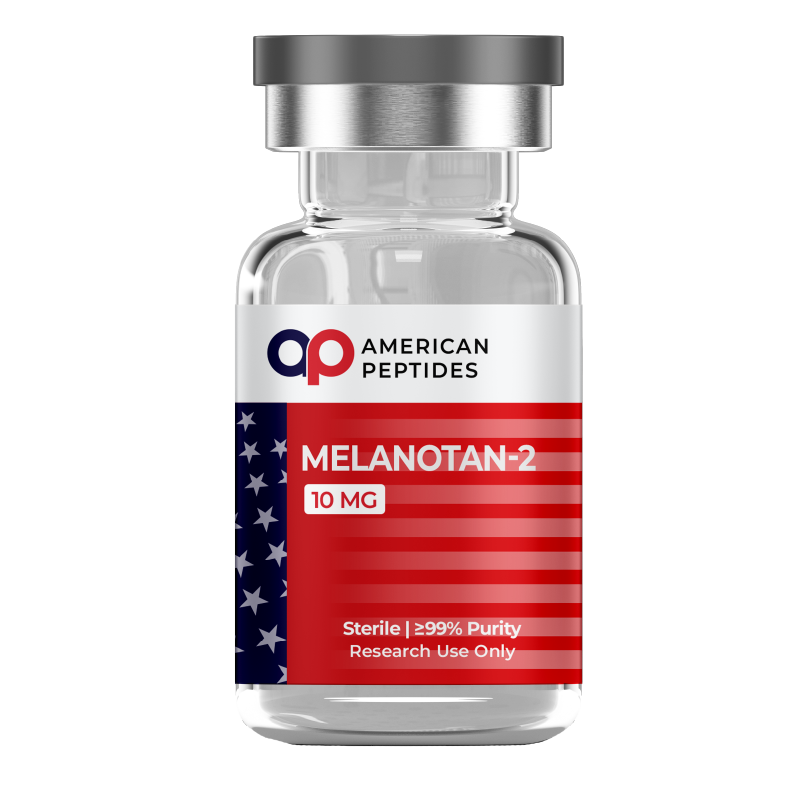
FDA cites serious case reports associated with Melanotan II in its compounding-risk resource. Such reports are safety signals that deserve explicit attention, not anecdotes to dismiss because a product is labeled for research.