
American Peptides · Research Journal
Studying a Copper-Peptide Complex Rather Than Its Name
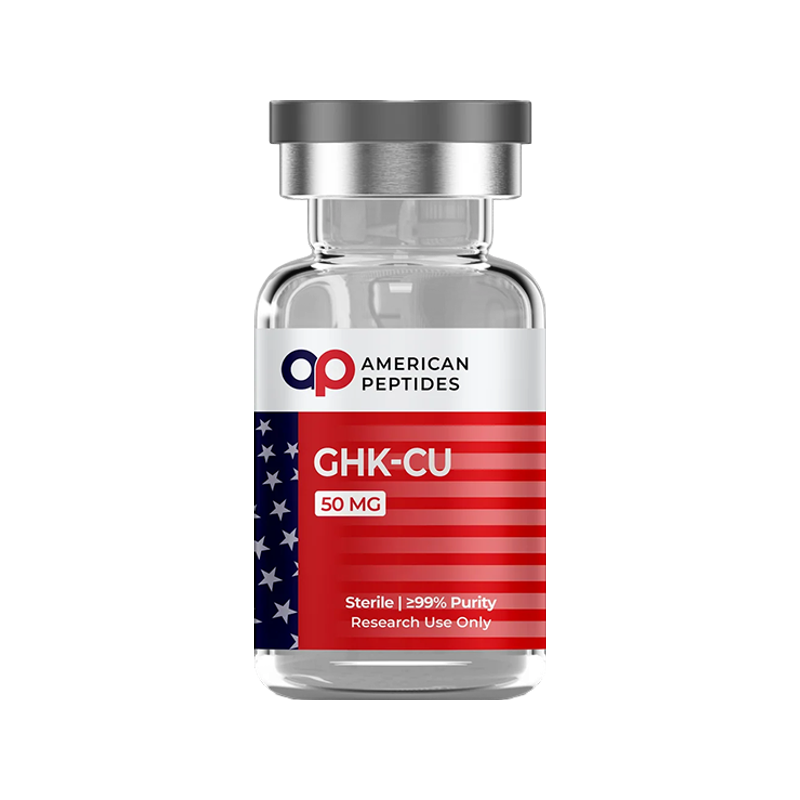
A GHK-Cu listing raises a metal-complex identity question in addition to a peptide question. Total copper, free ligand and the intended complex are not necessarily the same analytical measurement.
What the observation can establish
Matrix conditions can affect an observed signal, and a generic purity percentage may not describe the balance of metal and ligand. Documentation should state what the analytical method measures and what remains untested.
A focused evidence-review task
Compare metal-content information with peptide identity and method specificity instead of accepting a copper-peptide name as complete characterization. A useful review distinguishes what was measured from what was inferred. Keep the experimental question, comparator and stated limitations together so that a later summary does not accidentally strengthen the original conclusion.
Connecting the question to the catalog
The following American Peptides listings provide a starting point for identifying the named research materials. Product photographs identify the catalog presentation; they are not analytical reports or evidence of biological performance. A listing, price or category does not validate a material for a specific experiment. Confirm the current options and request documentation that matches the lot actually received.
- GHK-Cu (Copper Peptide) — Research Peptides
Documentation and interpretation boundaries
Keep molecular identity, measured content and any reported purity value in separate fields. Record the method and the sample to which each result applies. If a report omits an attribute needed for the research question, mark it as unverified rather than filling the gap with a general supplier claim. Uncertainty is part of a useful evidence record, not a reason to infer an unmeasured benefit.
Methodology references below support analytical or study-design principles; they do not independently establish a mechanism for every linked product. Substance-specific papers and regulatory resources should be read in their original model, preparation and route context. No cited source verifies the quality of an American Peptides batch.
Sources and further reading
- ICH Q2(R2): Validation of Analytical Procedures
- FDA: Certain bulk substances that may present significant safety risks
Research boundary: These materials and this article are for lawful laboratory research only, not human or veterinary use. This article provides no dosing, administration, medical advice or treatment claims.