A bundle is a purchasing arrangement, not necessarily a co-formulation or an experimentally validated combination. Separately packaged materials retain their own identity, quality records and evidence limitations.
A GLOW or KLOW mixture requires more than a combined chromatographic signal. Component identities, proportions and analytical recovery should be addressed independently, especially when peaks may overlap.
A liquid formulation needs stability information relevant to its actual matrix and packaging. A shelf life borrowed from another presentation or a related ingredient does not establish stability of the supplied preparation.
An HPLC peak-area percentage depends on the separation and detector method. It need not equal a mass-based content result, and unresolved impurities or differing detector responses can affect interpretation.
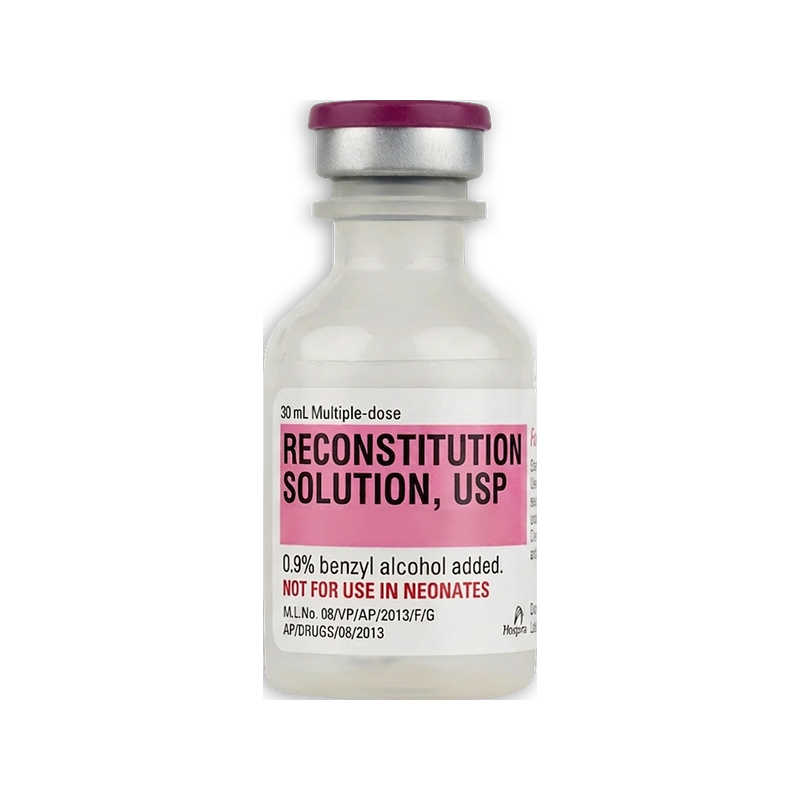
Preservation, sterility and endotoxin control are different quality questions. A reconstitution-solution listing should be checked for documented composition and intended quality attributes rather than assumptions triggered by its name.
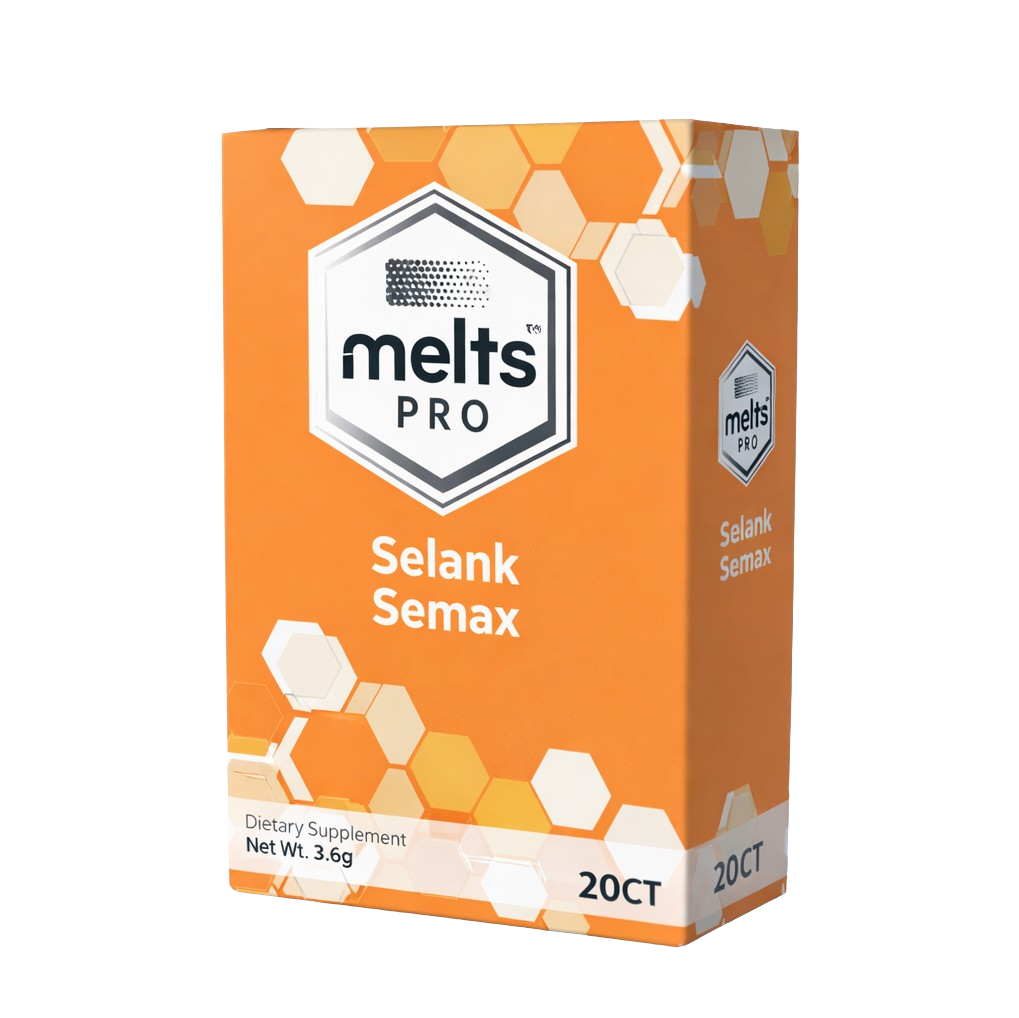
A dissolving strip is an individual unit within a formulation. Average content alone may not describe variation between units, and extracting an analyte from the strip matrix creates its own recovery question.
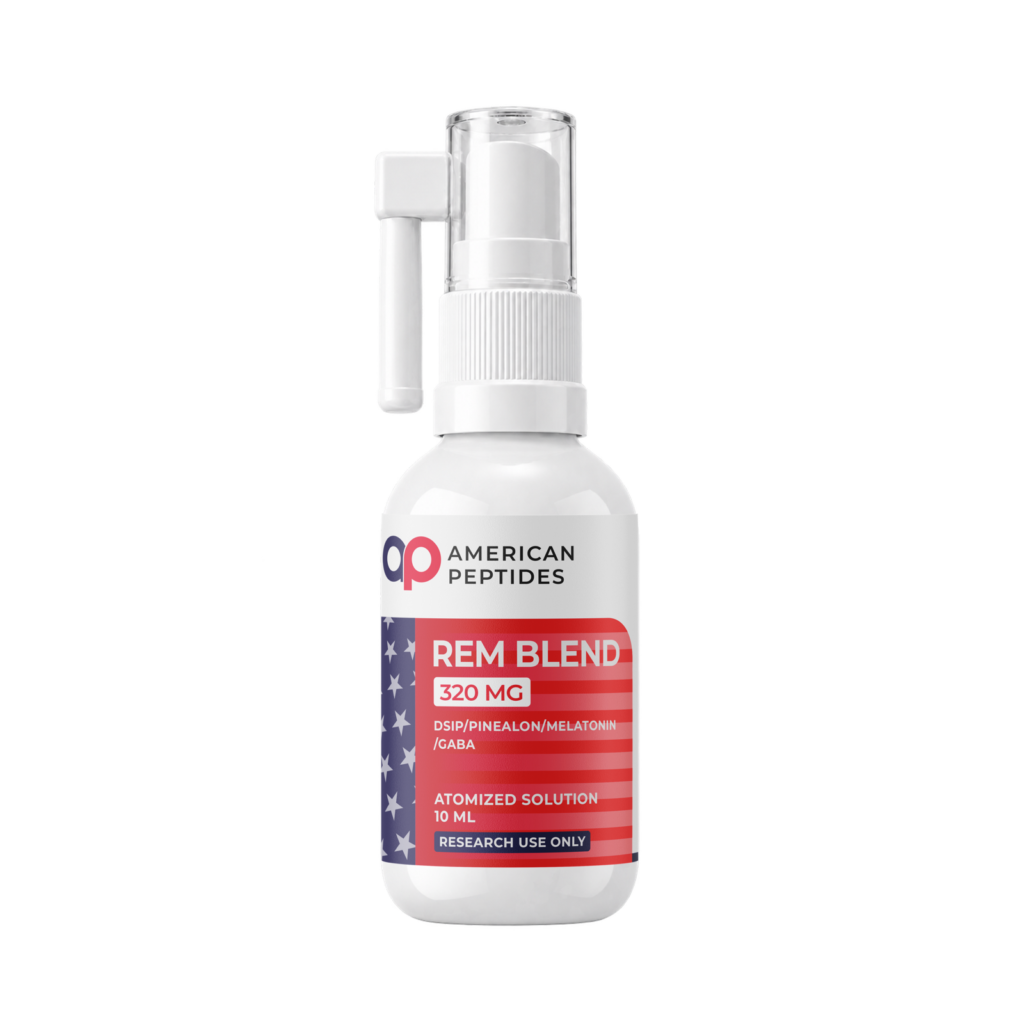
A sleep research blend name does not disclose a complete composition or prove a sleep mechanism. Every ingredient and excipient needs identification before the material can be connected to a coherent experimental question.
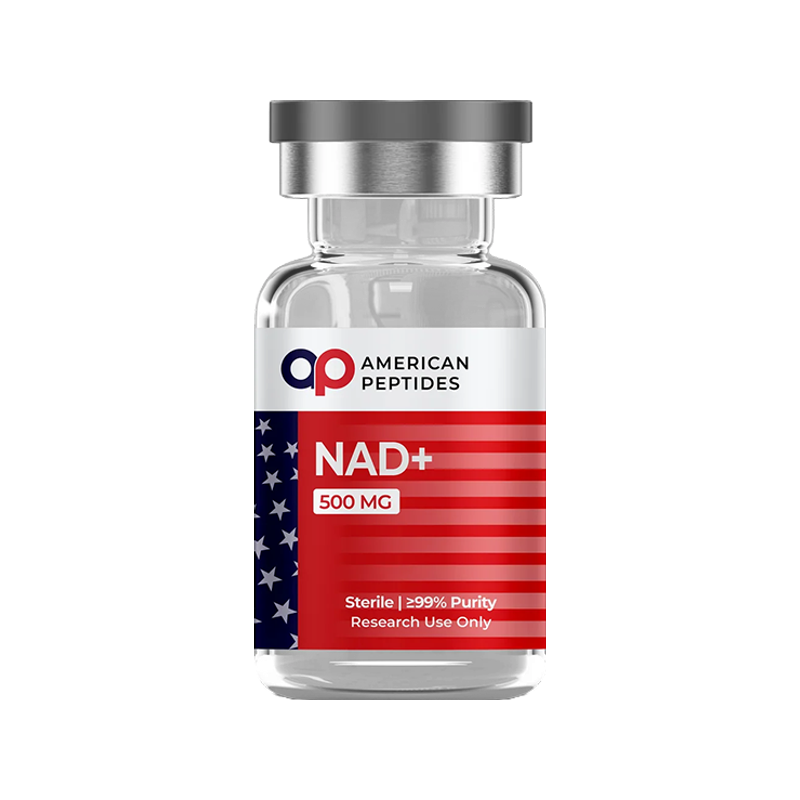
A vial, liquid spray and dissolving strip can contain different analytical matrices even when NAD+ appears in all three names. Recovery from each matrix must be demonstrated rather than assumed equivalent.
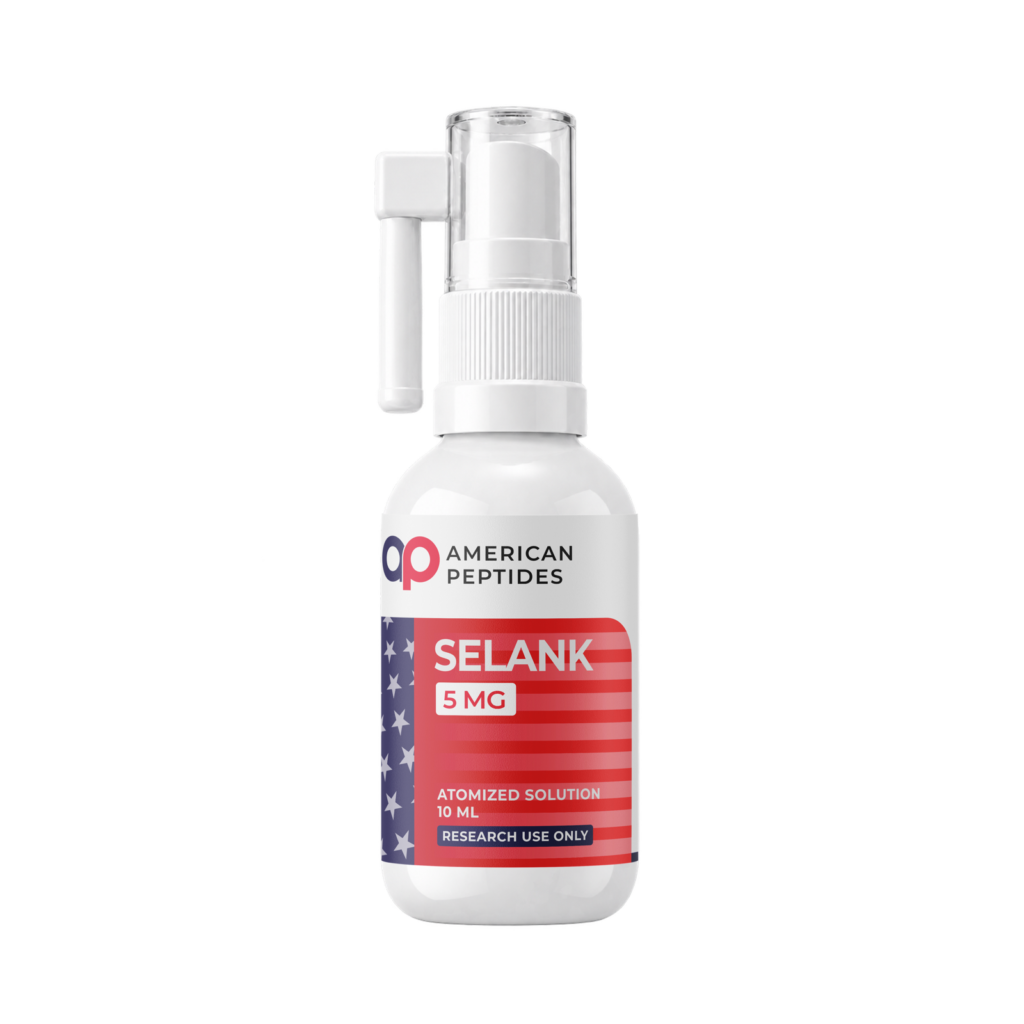
A liquid-spray presentation describes packaging and formulation, not proven biological delivery. Device output, analyte recovery and an absorption claim are separate questions that need different evidence.