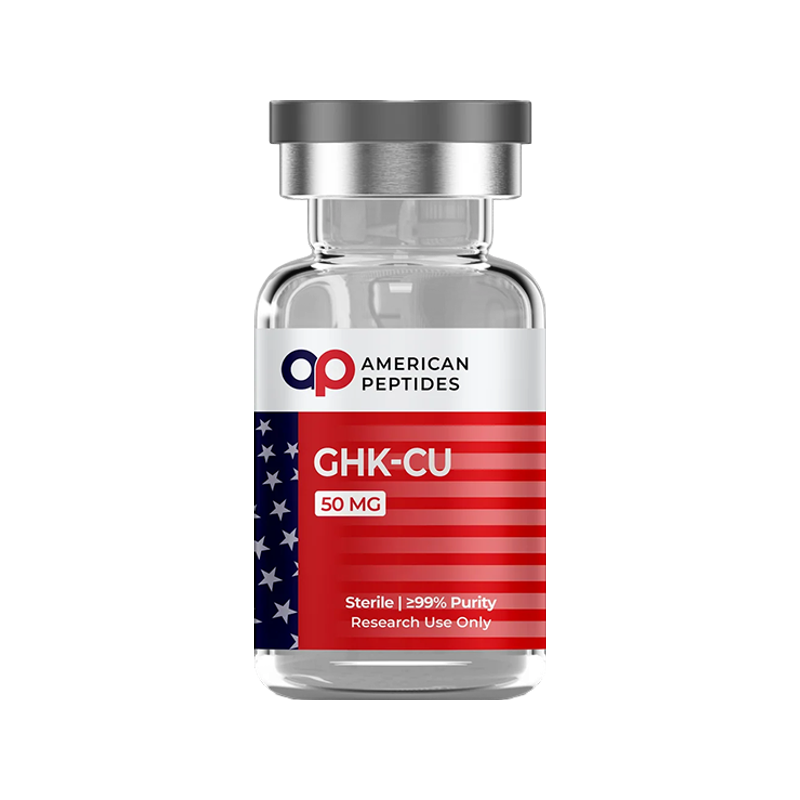
A GHK-Cu listing raises a metal-complex identity question in addition to a peptide question. Total copper, free ligand and the intended complex are not necessarily the same analytical measurement.
Ingredient literature and mixture evidence are different records. A BPC-157 and TB-500 blend needs its own composition and stability assessment even when papers exist about one or both ingredient names.
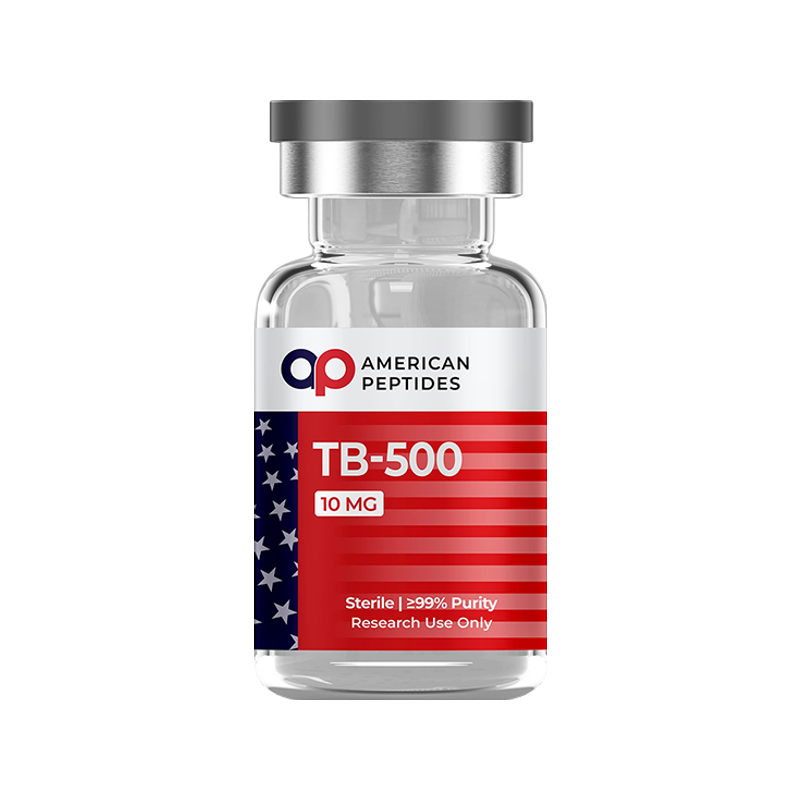
TB-500 and thymosin beta-4 terminology should not be treated as automatically equivalent. Full-length molecules and fragments can represent different materials, and supplier naming may not provide enough information to resolve that distinction.
A cell-migration assay answers a narrower question than a claim about tissue repair. Apparent closure of an experimental gap can involve migration, proliferation or changes in cell survival, depending on the model.
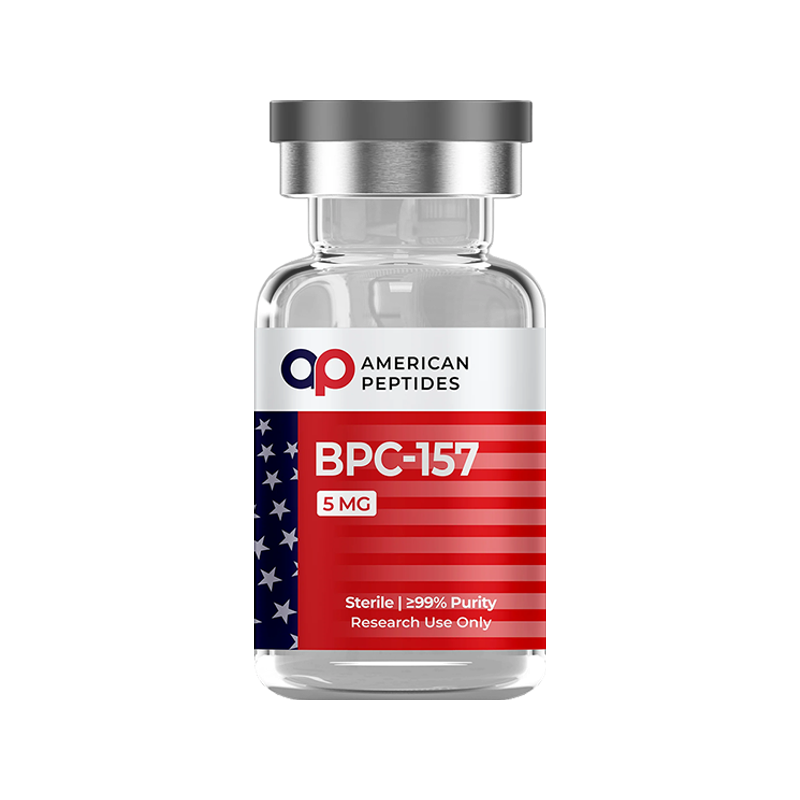
A systematic review of BPC-157 found a predominantly preclinical evidence base. Cell experiments, animal studies and limited clinical observations should be listed separately rather than blended into a general claim of established repair benefits.
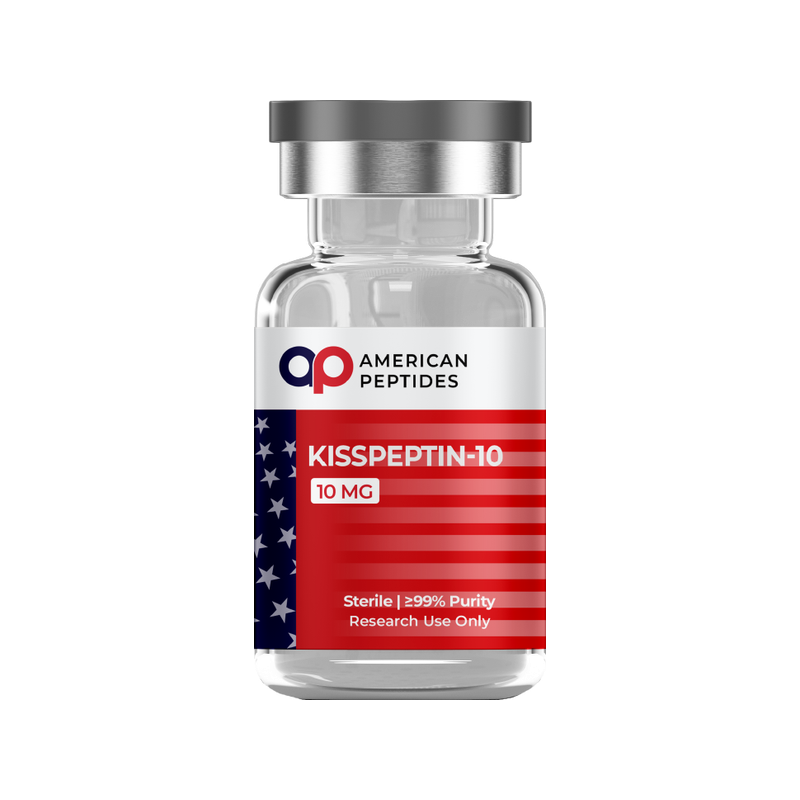
Kisspeptin-10 research questions require careful attention to model context and observation timing. A result collected at one point in a changing signaling system is not necessarily representative of the entire response.
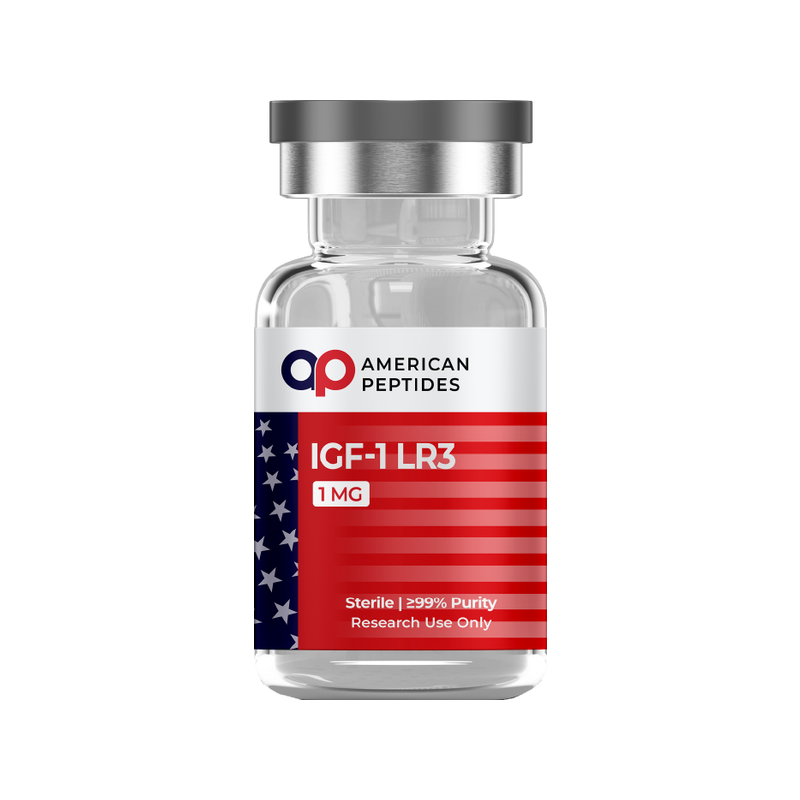
IGF-1 LR3 is an analogue label that should be connected to a complete identity record. A receptor-associated response, a viability measurement and a proliferation result each describe different aspects of an experiment.
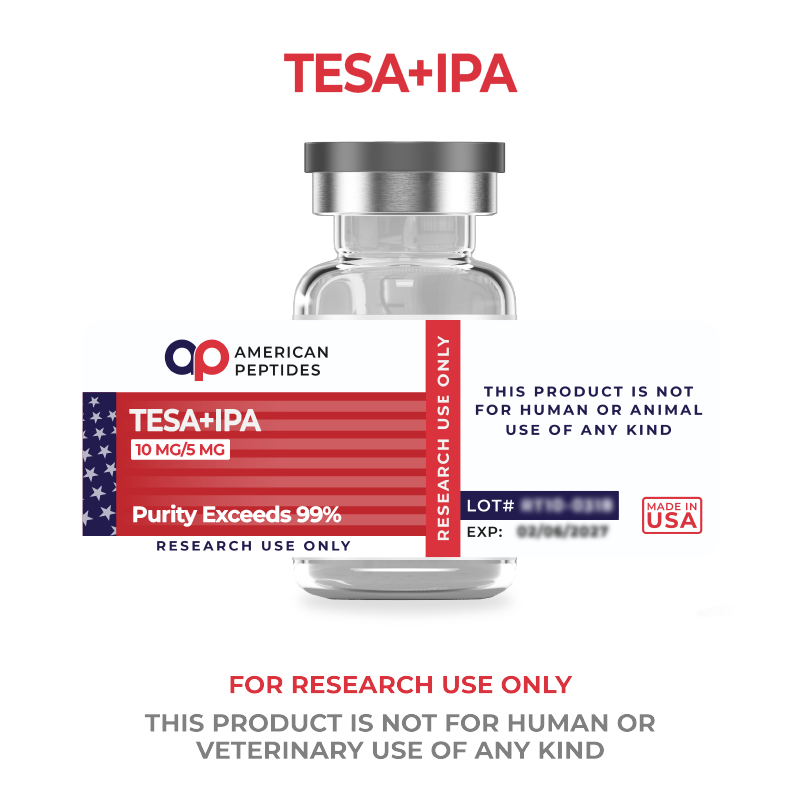
A tesamorelin and ipamorelin blend raises both composition and pathway-attribution questions. One downstream readout may show a change without explaining the contribution of each ingredient.
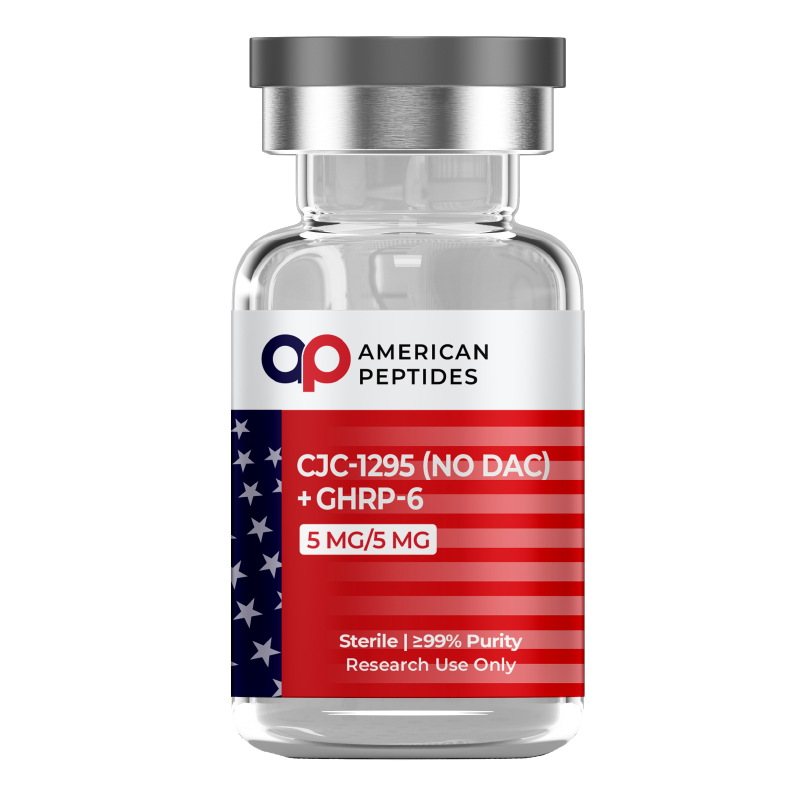
A blend can contain an ingredient that is not offered as a standalone catalog product. In the CJC-1295 without DAC and GHRP-6 listing, that creates a procurement question, not permission to ignore one component.