Nutrient-Sensing Results Depend on Model Conditions
Metabolic-state observations in MOTS-c research depend on the model and its conditions. Media composition, nutrient availability and baseline state can influence a readout even before a test material is introduced.
Short Peptide, Substantial Evidence Gaps: Evaluating KPV
The short sequence associated with KPV does not make every parent-peptide observation directly applicable to the isolated tripeptide. Evidence should identify the actual tested substance, not merely a related sequence or pathway.
Immunomodulation Is Not Immune Boosting
An immune-system experiment must specify cell type, stimulus and endpoint. The phrase immune boosting hides those distinctions and can imply a generally beneficial effect that a laboratory observation does not establish.
Studying a Copper-Peptide Complex Rather Than Its Name
A GHK-Cu listing raises a metal-complex identity question in addition to a peptide question. Total copper, free ligand and the intended complex are not necessarily the same analytical measurement.
Why Chemical Purity Does Not Answer Every Safety Question
Chemical identity, chromatographic purity, aggregation and microbiological quality are distinct questions. A high reported purity value does not by itself establish sterility, absence of endotoxin or a known biological safety profile.
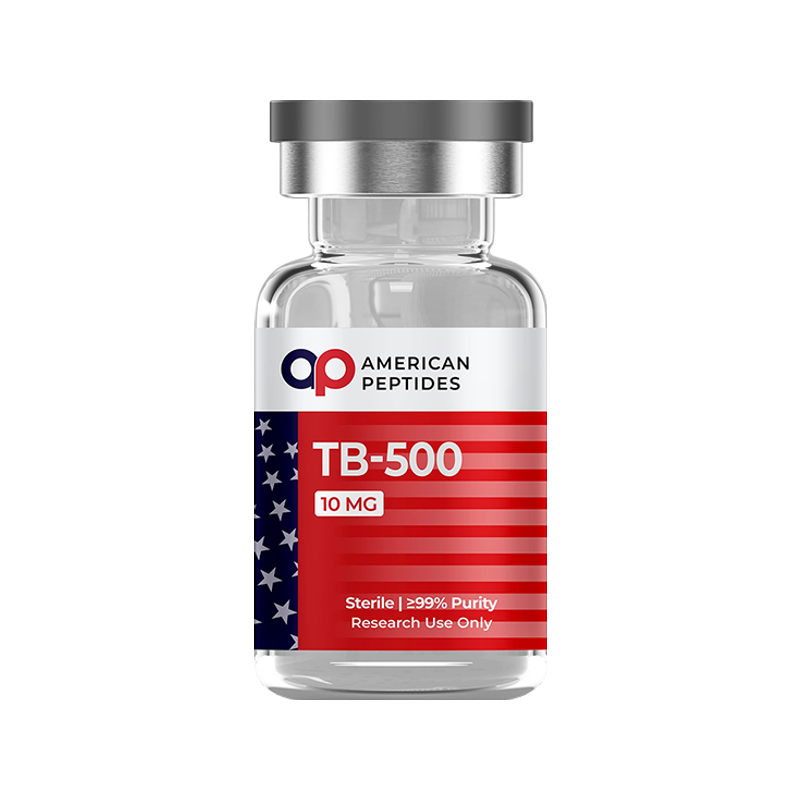
TB-500 Versus Thymosin Beta-4: Verify the Sequence First
TB-500 and thymosin beta-4 terminology should not be treated as automatically equivalent. Full-length molecules and fragments can represent different materials, and supplier naming may not provide enough information to resolve that distinction.
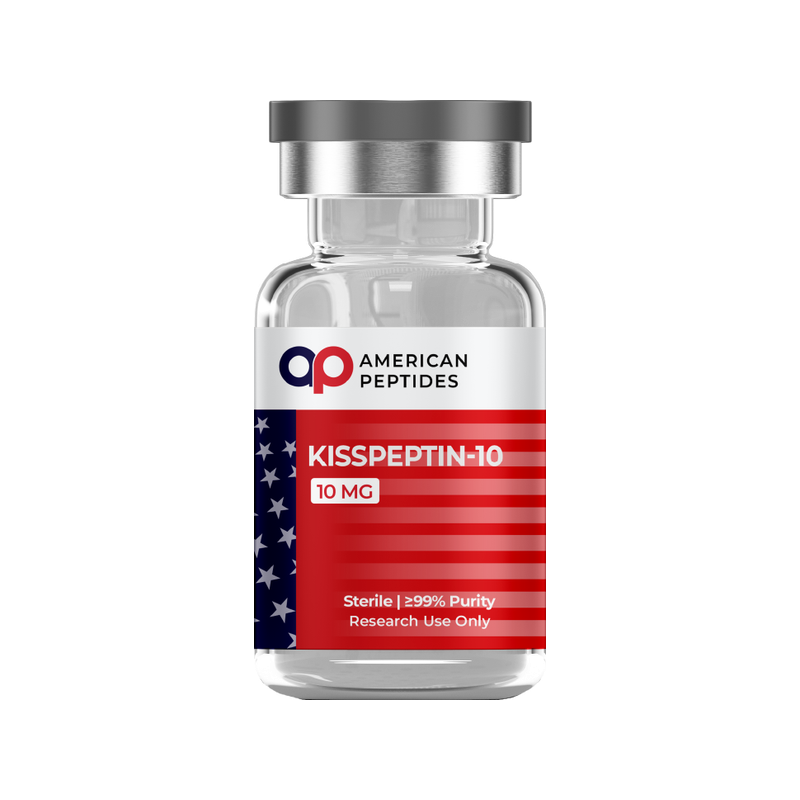
Neuroendocrine Timing as an Experimental Variable
Kisspeptin-10 research questions require careful attention to model context and observation timing. A result collected at one point in a changing signaling system is not necessarily representative of the entire response.
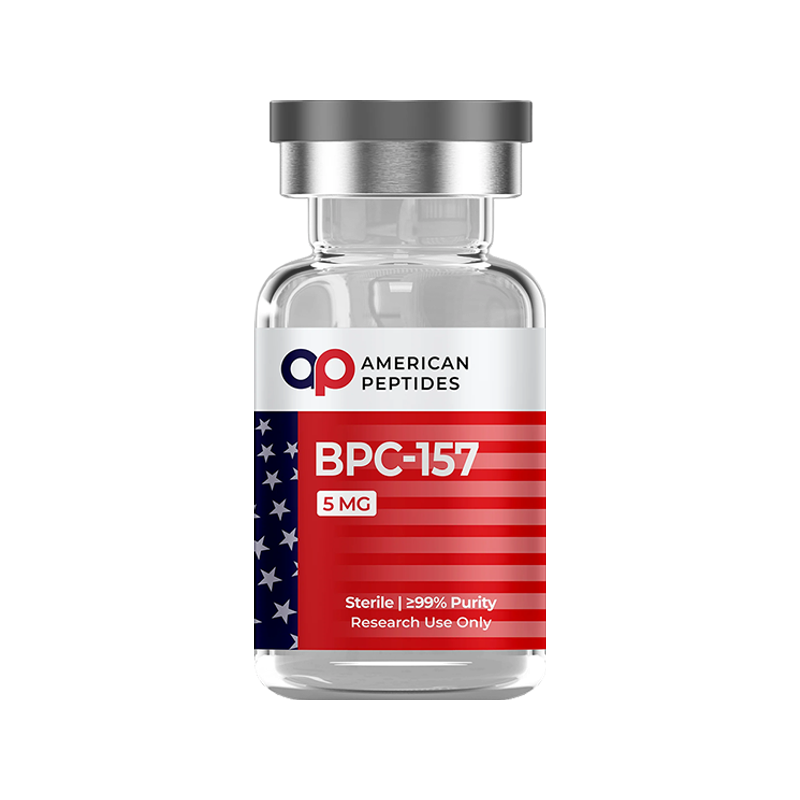
Reading BPC-157 Evidence by Study Type
A systematic review of BPC-157 found a predominantly preclinical evidence base. Cell experiments, animal studies and limited clinical observations should be listed separately rather than blended into a general claim of established repair benefits.
Cell Migration Is Not Tissue Repair
A cell-migration assay answers a narrower question than a claim about tissue repair. Apparent closure of an experimental gap can involve migration, proliferation or changes in cell survival, depending on the model.
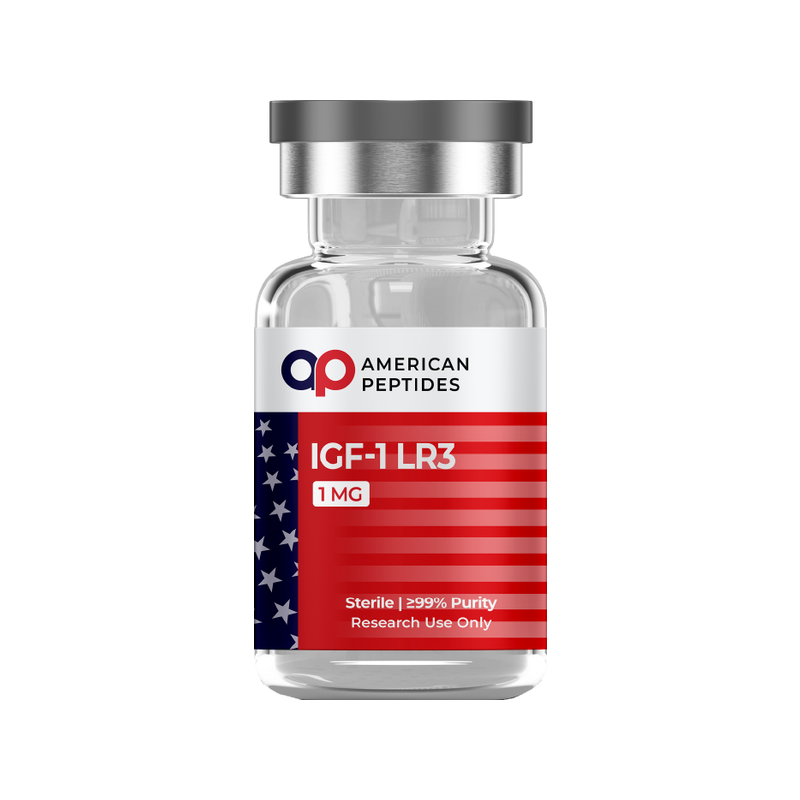
What an IGF-Pathway Experiment Must Distinguish
IGF-1 LR3 is an analogue label that should be connected to a complete identity record. A receptor-associated response, a viability measurement and a proliferation result each describe different aspects of an experiment.